

The Blacksmith's Journal · The Shop
Same Anvil Since 1916: The Story of Santa Barbara Forge
There's an anvil in our shop that went to work in 1916. It belonged to the Craviotto brothers, and it was already old when I was born. We still forge on it most days.
The Craviottos opened their blacksmith shop here in 1916, and for eighty years they were the sound of iron in this town. Railings, gates, ornamental work, custom barbecue grills. Walk around Santa Barbara with your eyes up and you'll still find their work on buildings all over town, outliving the people who made it. That's the whole job, really: make it well enough that it's still there after you're gone.

The Quiet Years
By the mid-nineties the brothers had earned their rest, and the shop went silent. It stood that way for about fifteen years. A forge without fire is a strange thing to walk through. All the tools were still hanging where they'd been left, like the work might pick back up any minute.
Taking Up the Hammer
In 2010 we got the chance to bring it back. Before we lit anything, we sat down with the Craviotto family. They gave us their blessing to carry the craft forward, and I don't use the word lightly. We understood what we were being handed: not just a building full of tools, but a standard to live up to.

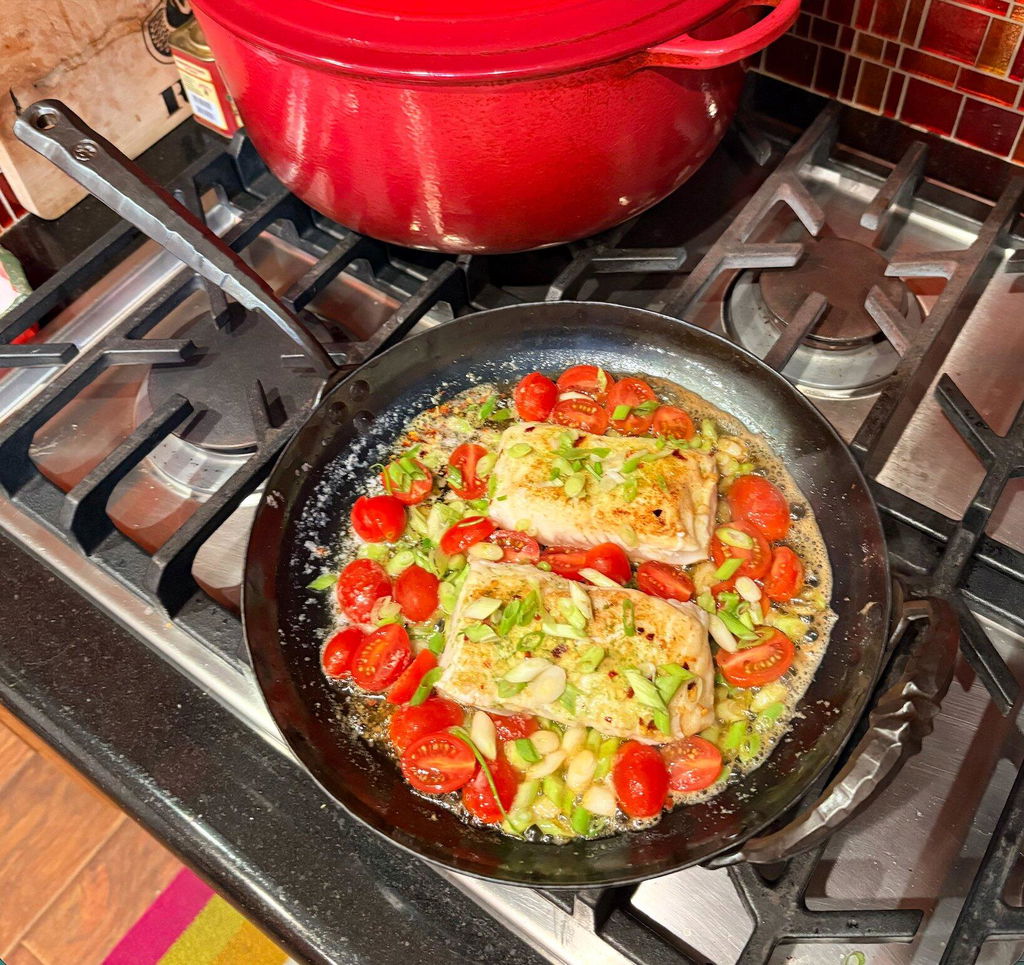
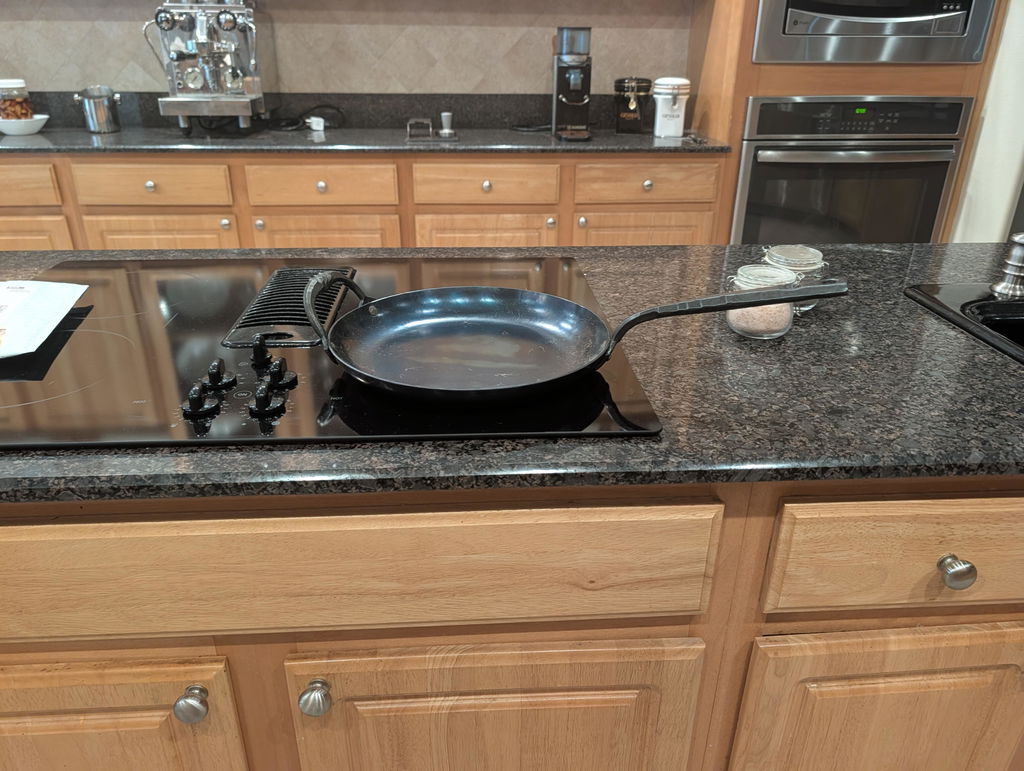
We started where they left off: architectural ironwork, gates, railings, custom pieces. Over the years the work grew into furniture, and eventually into cookware. The Sonora pans came from a thought that wouldn't leave me alone. Most of what we forge gets installed once and stays put. I wanted to make something that would get used hard, every day, by people who'll never visit the shop, and a pan was the obvious answer.
Craft in the Modern Age
Blacksmithing asks for patience, skill, and a long acquaintance with fire. Most of the world has moved on to things made to be replaced. We haven't. Every gate and railing that leaves this shop carries the mark of the hands that made it, and our steel pans are held to the same standard: shaped from solid carbon steel in our shop, with hand-forged handles, finished one at a time, and built to be handed down.
The techniques are centuries old, but this isn't a museum. We keep refining the process and testing new designs, because a working shop has to.

A New Home, the Same Fire
We've since moved to a bigger shop that fits what the operation has become. People sometimes ask if leaving the old building broke the thread. It didn't. The legacy was never the walls. It's the standard, the craft, and the anvil, which made the move with us and is still the one we use. From 1916 to now, it's been the same anvil.
Every time we light the forge, we're carrying on what the Craviottos started. We intend to keep at it, and to hand it on in better shape than we found it.
See our ornamental work at sbforge.com
See the cookware, forged and finished in Santa Barbara: The Sonora Collection
3 comments
Are these nontoxic?
Hi- I had saved photos of a circular pool railing I believe you made. Would you be able to provide details; sizes, cost, delivery timeframe? Thank you, Tara. I have the photo if you’d like to reference
Do you sell pans out of your shop? Do you have tours of the shop?